Pallet racking types that fit how your warehouse works
Warehouses rarely share the same inventory profile, forklift traffic pattern, or picking workflow. The best way to narrow down pallet racking types is to match access needs, rotation strategy, and building constraints to a racking design that supports safe movement and efficient storage.
As a Jacksonville-based team, Taddeo Logistics & Consulting LLC helps facilities compare types of pallet racking with practical considerations in mind, including SKU variety, aisle width, ceiling height, and expansion planning. We can also coordinate pallet racking delivery so your materials arrive on a timeline that supports installation and minimizes downtime. If you want to talk through options, call (904) 423-0784 or reach out through /contact-us/.
Selective pallet racking
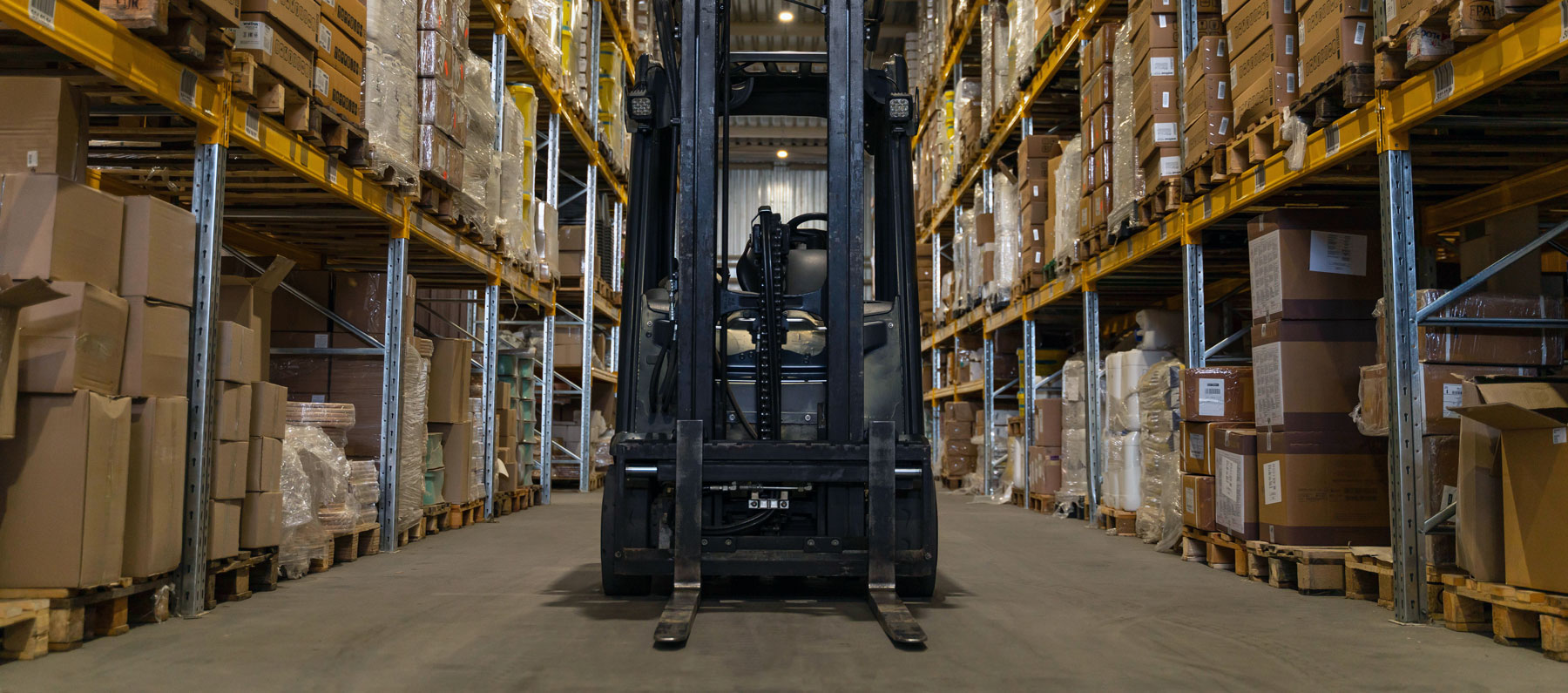
Often chosen for broad SKU mixes and frequent picking, selective racking keeps every pallet position accessible. It supports straightforward slotting and reconfiguration as product lines change, making it a reliable baseline when you want flexibility without specialty equipment requirements.
Drive-in and drive-thru racking
Designed for higher density storage, this approach reduces aisle space by allowing lift trucks to enter the rack structure. It is typically used for deeper storage lanes and larger quantities of similar product, where maximizing cubic utilization is a priority.
Push-back pallet racking
Push-back systems store multiple pallets deep on nested carts or rails that move as pallets are loaded and retrieved. This can improve density while keeping loading and unloading on the same aisle face, which helps when you need strong throughput and a compact footprint.
Pallet flow racking
Pallet flow uses gravity rollers or wheels to move pallets from the loading side to the picking side. It supports high volume rotation patterns and can reduce travel time in certain layouts, especially when product dates, staging, and consistency matter.
Cantilever racking
For long, bulky, or irregular loads such as lumber, pipe, or sheet goods, cantilever arms provide open-front storage without vertical uprights at the rack face. That open access can improve handling and reduce damage when loads vary in length.
Double-deep pallet racking
Double-deep configurations place pallets two positions deep on each side, increasing capacity by reducing aisle count. It can be a practical option when you have larger quantities per SKU and your equipment and process can support the access tradeoffs.
Mobile racking systems
Mobile racks move on guided rails to open an access aisle only where needed. This can maximize storage density in space-constrained environments and is commonly considered where square footage is premium or temperature-controlled storage drives operating costs.
Mezzanine and platform racking
When floor space is limited but vertical clearance is available, mezzanine solutions add usable levels for storage, staging, or pick modules. This approach can help you expand capacity while keeping workflows contained within the same footprint.
Carton flow racking
Carton flow is designed for case-pick and each-pick operations, using gravity lanes to present cartons to the pick face. It can support faster order fulfillment and more organized pick paths when small to mid-sized items dominate your outbound volume.
Not sure which types of pallet racking match your building and inventory? Taddeo Logistics & Consulting LLC can help you compare pallet racking types based on layout, rotation, and safety goals, and guide you through pallet racking delivery planning so your project stays on schedule.
Call (904) 423-0784 or use /contact-us/ to start planning.