Heavy-Duty Storage Systems That Support Modern Warehouse Efficiency
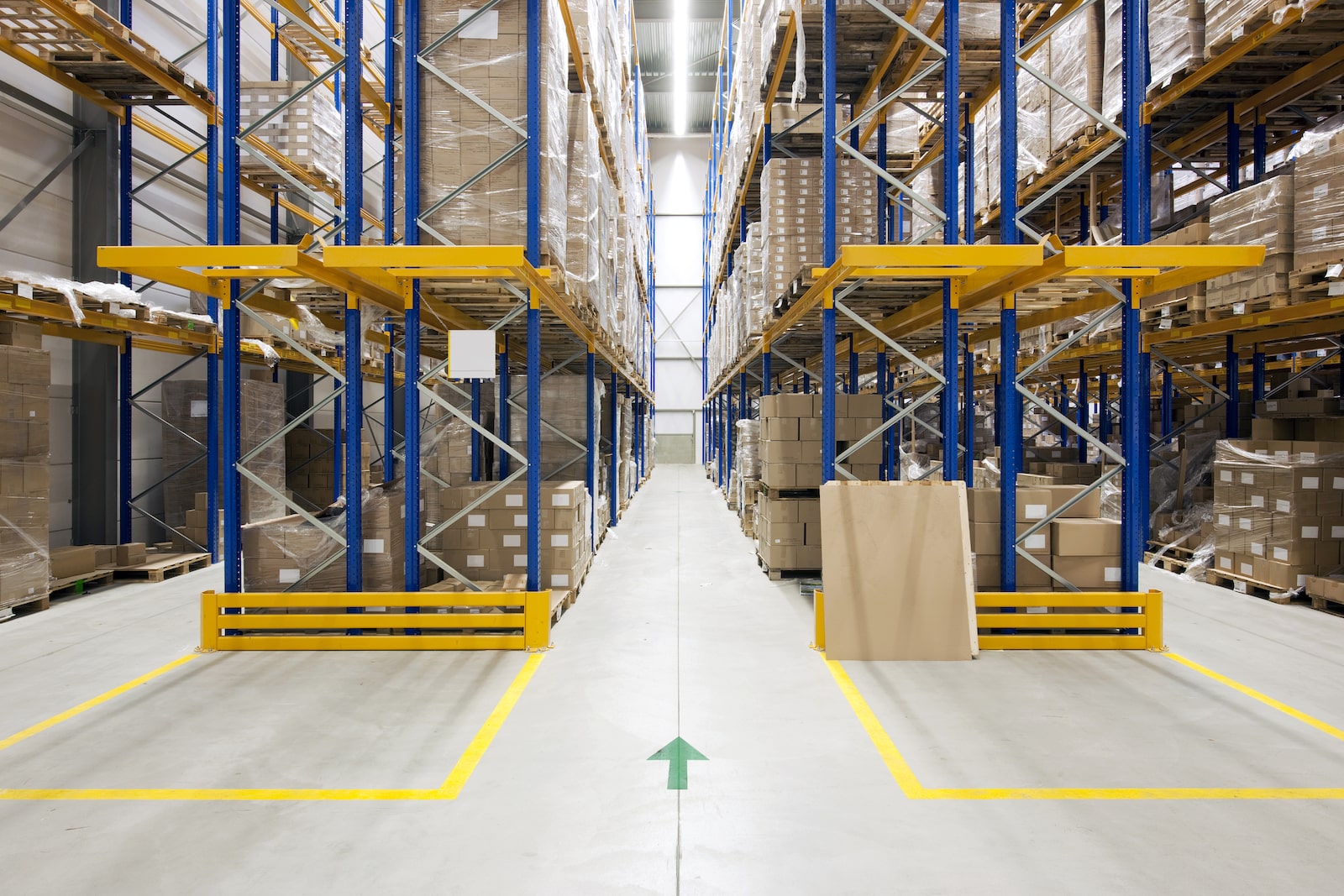
Heavy-duty storage systems are the backbone of today’s warehouses, distribution centers, and industrial facilities. As product volumes grow and space becomes more valuable, the need for reliable, efficient pallet racking increases. These systems protect inventory, support safer workflows, and allow facilities to take full advantage of their vertical storage capabilities. Because goods vary in weight, size, and handling requirements, warehouses rely on racking that can adapt to changing needs without slowing daily operations.
Among the many options available, selective pallet racking stands out as one of the most versatile. It offers a low-density layout with high selectivity, giving forklift drivers direct access to every pallet without navigating deep storage lanes. This makes it ideal for facilities with a large number of SKUs or businesses building a warehouse for the first time. As operations grow, selective racks can be expanded, reconfigured, or converted into industrial shelving by adding wire mesh or solid decking. Mesh decks support small cartons and loose goods, while solid decks provide strength for heavier items or boxed inventory.
How Selective Racking Improves Storage and Workflow
Selective pallet racking remains popular because it allows teams to pick items quickly and keep inventory organized. Forklift drivers can access multiple bays at once, reducing congestion in busy aisles and minimizing the number of movements needed to retrieve products. The modular design makes it easy to change beam levels, add accessories, or adjust bays to fit new inventory types. For businesses expanding into larger facilities or optimizing an existing one, selective racking provides a flexible foundation that grows alongside their needs.
The ability to convert selective rack into industrial shelving is another advantage. By introducing decking, the same structure can support smaller goods or high-turnover items that benefit from single-piece picking. This dual functionality helps warehouses avoid costly additions or complex installations when their product mix changes.
Mobile Pallet Racks: A High-Density Solution for Tight Aisles
Mobile pallet racking is another strong storage option for facilities operating in tight spaces. Many warehouses lack the aisle width needed for traditional fixed racking systems, especially when maneuvering forklifts or reach trucks. Mobile racks eliminate most fixed aisles by placing racking units on heavy-duty tracks installed directly into the concrete floor.
Workers can open a single aisle—either by remote control or at the rack location—to access the desired pallet. Once the item is retrieved, the system closes the aisle to conserve space, significantly increasing storage density. These systems were once fully manual, but modern versions include semi-automated controls that make operation faster and safer. For cold storage, high-value goods, or facilities limited by building size, mobile pallet racking offers an efficient way to maximize square footage without a major renovation.
Why Proper Transport Matters for Heavy-Duty Storage Systems
Whether a warehouse is relocating, expanding into a new facility, or reorganizing its layout, moving pallet racking requires specialized freight services. These structures are large, heavy, and sensitive to damage, and improper handling can delay installation or compromise safety. That is why many businesses partner with experienced freight brokers who understand the unique requirements of pallet rack transportation.
Coordinating the movement of upright frames, beams, decking, and hardware demands careful planning and reliable carrier selection. A dedicated warehouse freight broker ensures racking systems arrive safely, remain properly secured during transit, and are delivered on schedule so the installation team can begin work without delay.
As warehouse storage needs continue to evolve across the country, having the right racking system—and the right logistics partner—plays a major role in creating efficient, productive, and scalable facilities.